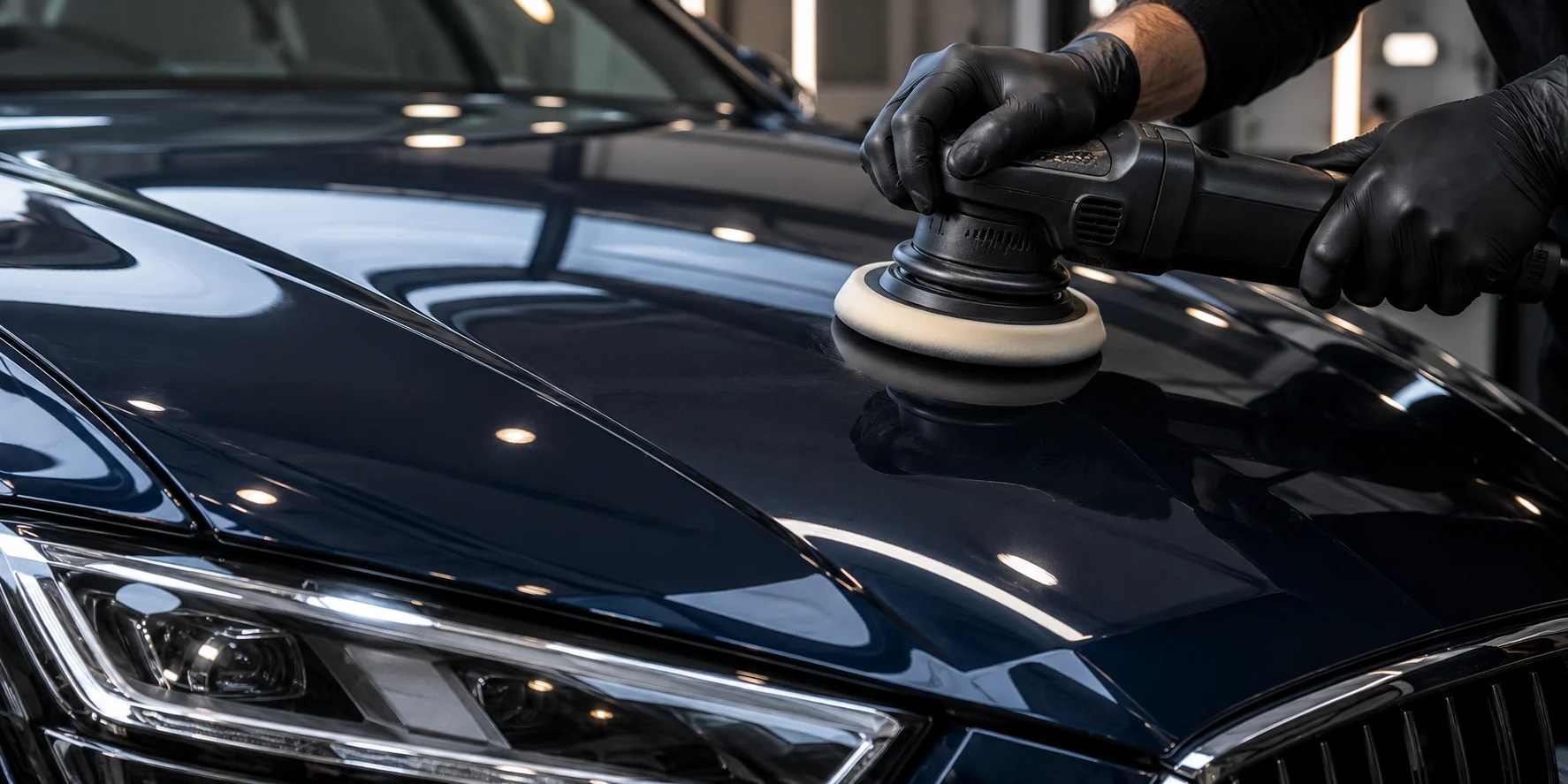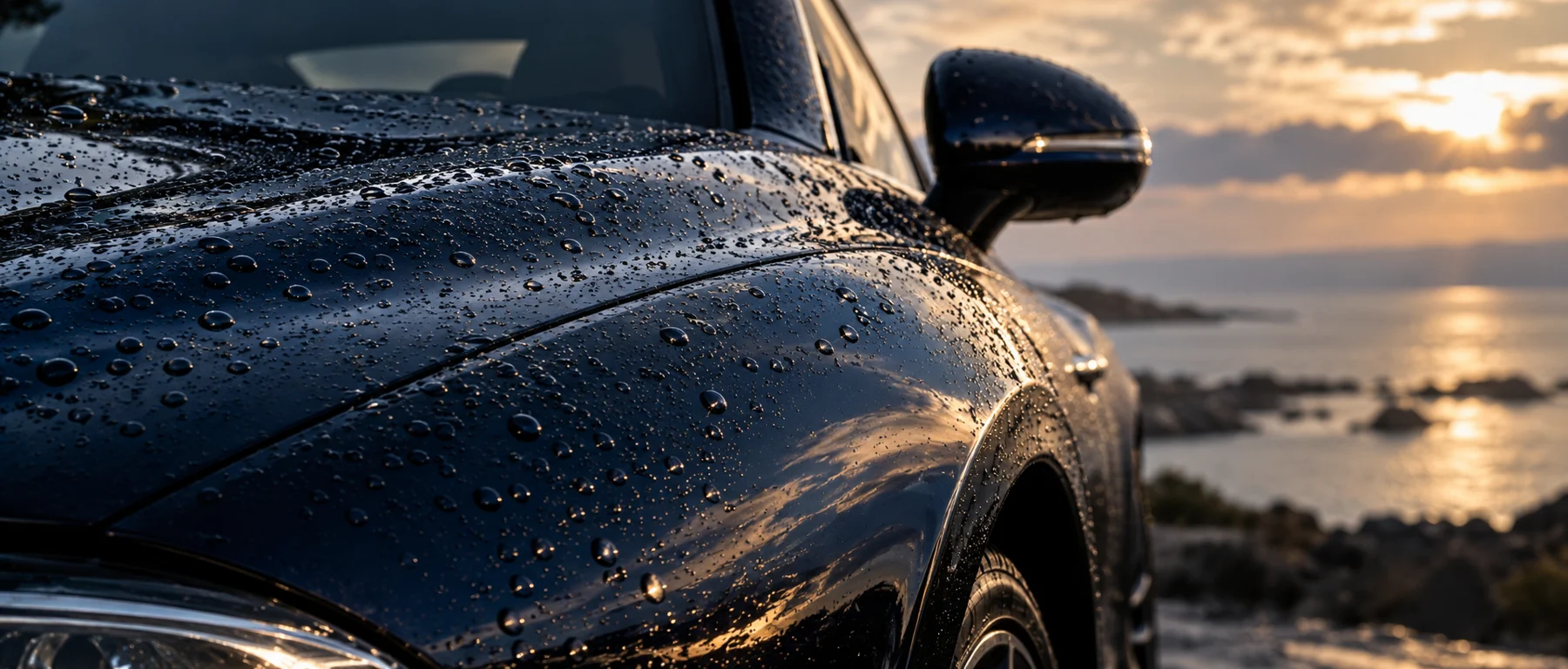
Ceramic coating and paint protection film address different priorities. Film provides a physical layer intended to help protect against impacts such as road chips; a coating emphasizes surface characteristics and easier upkeep. They can be combined where compatible. Start with the damage you want to reduce, then assess the paint and available options.
Start with the problem you actually want to solve
An owner concerned about chips on a frequently driven front bumper has a different question from an owner frustrated by difficult washing. XPEL describes paint protection film as a barrier against chips and scuffs, while its ceramic products focus on surface protection and finish. That distinction matters more than a showroom water demonstration. A coating should not be purchased with the expectation that it substitutes for film against flying debris. Neither choice makes a vehicle immune to damage, and neither removes the need to inspect existing chips before work begins.
Decide which surfaces matter most
Make a simple list of the parts you worry about: front bumper, hood, mirror caps, door edges, or the whole exterior. Photograph the current condition. A film specialist can discuss coverage, seams, edges, and the implications of existing repairs for those specific panels. A detailing consultation can separately address paint appearance and cleaning priorities. For a car driven between Newport Beach and inland destinations, the relevant question is your actual route and use, not a blanket assumption that every coastal car requires identical coverage.
Plan the order before booking separate appointments
If both services interest you, coordinate the plan with the film installer before approving polishing or coating. Some coatings are specifically formulated for use on compatible film, but that does not make every coating suitable for every film. Ask who is responsible for preparation, which surfaces will receive which product, and whether the installer needs the car delivered without an existing protectant. Coordinating these details reduces the chance of paying for work that another appointment must undo. Keep the product and installation records with the vehicle’s maintenance paperwork.
Compare accountability as carefully as appearance
Ask a film installer about edge finishing, coverage drawings, care guidance, warranty conditions, and how a damaged section would be evaluated later. Ask a detailer about the agreed appearance before protection and how maintenance will be handled. These questions produce a more useful comparison than treating the two services as competing versions of the same purchase. Newport Beach Auto Detailing offers a coating and paint-care consultation; this article is not an offer of film installation. If film is your priority, establish that specialist plan first so detailing can support it appropriately.
A few things to know.
Will ceramic coating stop rock chips?
It should not be treated as impact protection equivalent to film. Discuss film with an installer if road chips are the main concern.
Can a coated car receive film later?
Discuss its existing coating with the film installer before booking. The installer must decide what preparation is necessary for the planned film.
Do you install PPF?
PPF installation is not advertised as a service here. We can discuss paint preparation and coating care while you arrange film with a specialist.
Sources & further reading
Primary references for the factual context in this guide. Our planning suggestions are general guidance; property rules and product-specific instructions should be confirmed for your situation.
This guide is educational. It is not a vehicle inspection, a manufacturer endorsement, or a promise that a particular service is suitable. See how we prepare our care guides.