Describe what you see first
Before selecting a service, describe the issue in plain language. Is the car dirty, rough to the touch, dull under certain lighting, or marked by visible scratches? Does the concern remain after washing? Photos can help begin the conversation, but lighting and reflections sometimes conceal or exaggerate defects. A consultation should translate your observations into an appropriate next step. You do not need to know the correct technical label before asking for help with the appearance of your vehicle.
Cleaning and refinement do different jobs
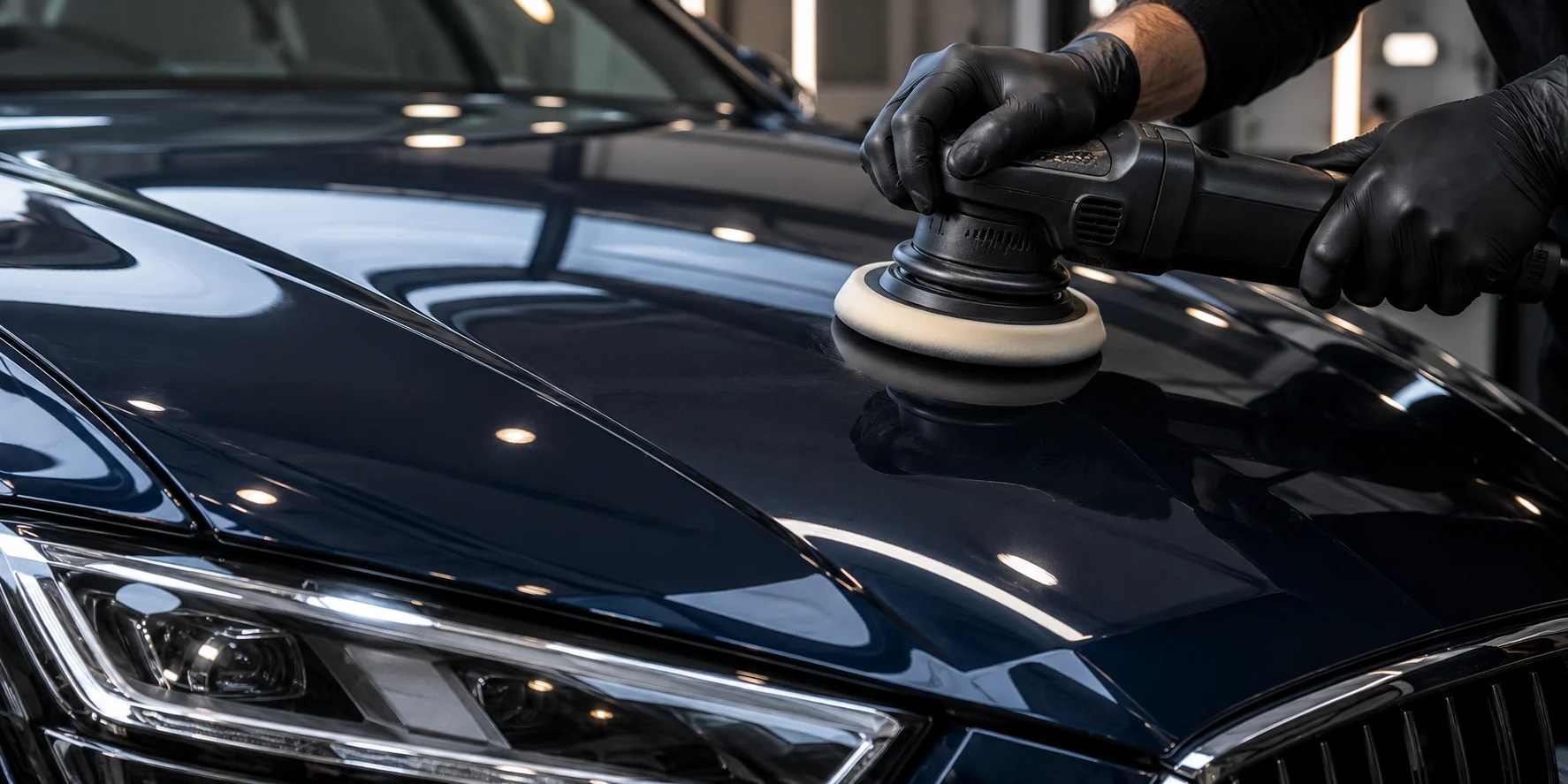
A detail can remove suitable dirt and contamination, refresh the interior, and add a finishing protection within the agreed scope. Paint correction involves a separate assessment and polishing process to improve suitable defects in the finish. These services can complement each other, but one name does not imply the other is included. If your main concern is swirl marks, ask explicitly whether the quote contains paint refinement and how that work will be evaluated.
Let condition determine the approach
Paint history matters. Repainting, previous polishing, chips, worn areas, and unknown repairs may affect the recommendation. A detailer should discuss what can reasonably be improved and where caution is appropriate. More aggressive work is not automatically more valuable. In some cases, a lighter refinement is a better fit for the vehicle and the owner’s expectations. In others, a particular defect may need repair or refinishing rather than additional polishing by a detailing provider.
Avoid judging by a removal percentage
A promise to remove a fixed percentage of all defects can be misleading before the paint is assessed. Different marks have different depths and causes, and they may not be equally visible under every light. Ask instead what the proposed process is intended to improve, which concerns are expected to remain, and how the result will be reviewed. An agreed test area can make that conversation more concrete than a broad promise attached to a package name.
Decide how to care for the result
Once the finish is improved, the next decision is how to maintain it. Discuss an appropriate protectant or coating and review washing practices that may have contributed to the marks. Protection will not stop all future wear. A quote should make clear whether finishing protection is included and what aftercare is expected. The best choice is the level of work that gives you a meaningful improvement you can maintain, rather than the most extensive process available. If you are preparing to sell the car, mention that goal too. Your priorities may differ from an owner who intends to maintain a refined finish over several more years.
