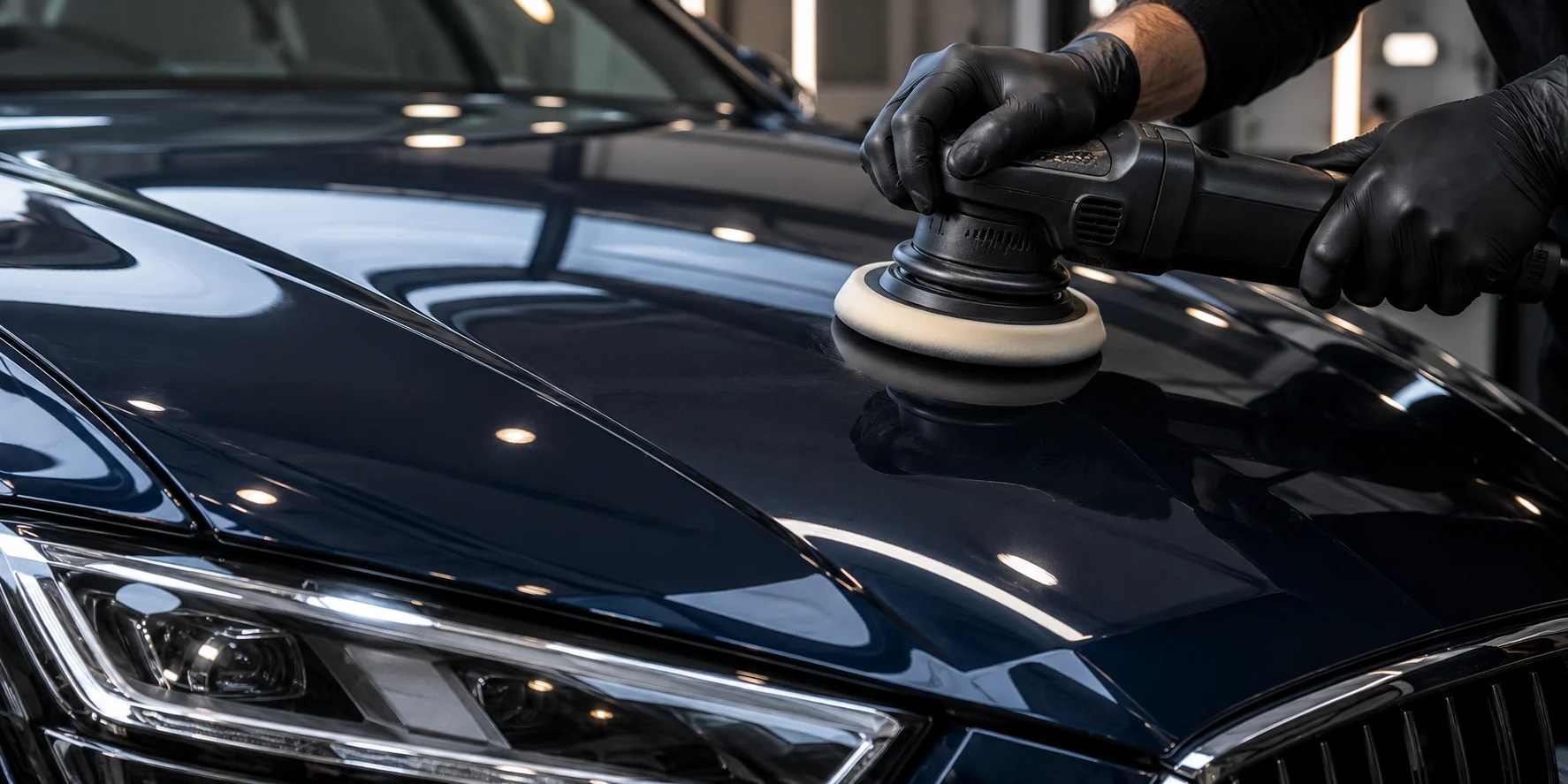
A detailing towel is only as useful as its condition. Separate towels by task, inspect them before use, follow their washing instructions, and store clean towels away from dirt. A soft feel does not prove a towel is free of grit or product residue. Retire questionable towels from delicate surfaces rather than trying to make every towel serve every job.
Assign a role before the first use
Create distinct groups for painted surfaces, glass, interior work, and wheels or dirty lower areas. Color coding can help, but labels or separate containers work just as well. The goal is to avoid uncertainty when several similar towels are in circulation. A household with multiple vehicles should use the same system consistently so one person’s wheel towel does not become another person’s finishing cloth. Record the washing instructions when the towels are purchased; once packaging is discarded, fabric appearance alone may not reveal the appropriate temperature or drying limits.
Inspect before each contact with the vehicle
Unfold the towel and look for grit, stiff patches, debris, or a damaged edge. If it has been dropped, remove it from the current task instead of shaking it once and assuming it is ready for paint. A towel that feels unpleasantly stiff after product use deserves investigation before reuse on a sensitive surface. Do not ask cleaning equipment to compensate for a dirty storage area: a freshly washed towel left on a garage floor is no longer prepared for careful finish work.
Laundry instructions matter more than household habits
Gtechniq’s accessory guidance advises mild detergent, cold water, and avoiding fabric softener for its microfiber care. Follow the actual towel maker’s instructions rather than assuming those settings apply to every textile you own. Keep heavily contaminated detailing towels out of ordinary household laundry until an appropriate cleaning process is established. Do not add fragrances, softeners, or other products merely because they improve the feel of clothing. After laundering, inspect again and decide whether each towel is fit for its original task, a less delicate job, or retirement.
Build a small system that survives a busy week
For a Newport Beach owner washing at home, two labeled bins can make a larger difference than a shelf full of unorganized accessories: one for clean, protected towels and one for used items awaiting sorting. Keep the bins away from garden chemicals, dusty tools, and loose metal parts. Use enough towels that you do not feel compelled to reuse a questionable one to finish the car. When arranging recurring detailing, ask for a brief home-care equipment list that matches your vehicle’s finishes and your actual maintenance routine.
A few things to know.
Does a microfiber label guarantee paint safety?
No. The towel’s construction, cleanliness, condition, and intended task all matter.
Can a wheel towel become a glass towel after washing?
A dedicated separation system is more dependable than repeatedly changing roles. Inspect and follow cleaning instructions before any reuse.
When should I replace a drying towel?
Replace or reassign it when damage, persistent contamination, or degraded performance makes it unsuitable for the intended surface.
Sources & further reading
Primary references for the factual context in this guide. Our planning suggestions are general guidance; property rules and product-specific instructions should be confirmed for your situation.
This guide is educational. It is not a vehicle inspection, a manufacturer endorsement, or a promise that a particular service is suitable. See how we prepare our care guides.