For a daily driver, discuss the most important appearance concerns and an appropriate improvement level before choosing a correction scope. A practical plan can leave some defects. More aggressive work is not automatically better, and no budget should be set on the assumption that every mark can safely disappear.
Name the concern you actually notice
Look at the clean vehicle in useful light and identify whether your concern is overall haze, swirls, a specific mark, or something else. Do not diagnose the depth from appearance alone. Tell the provider where your attention goes and how the car is normally used. That is a better starting point than asking for the strongest package.
Compare improvement with limitations
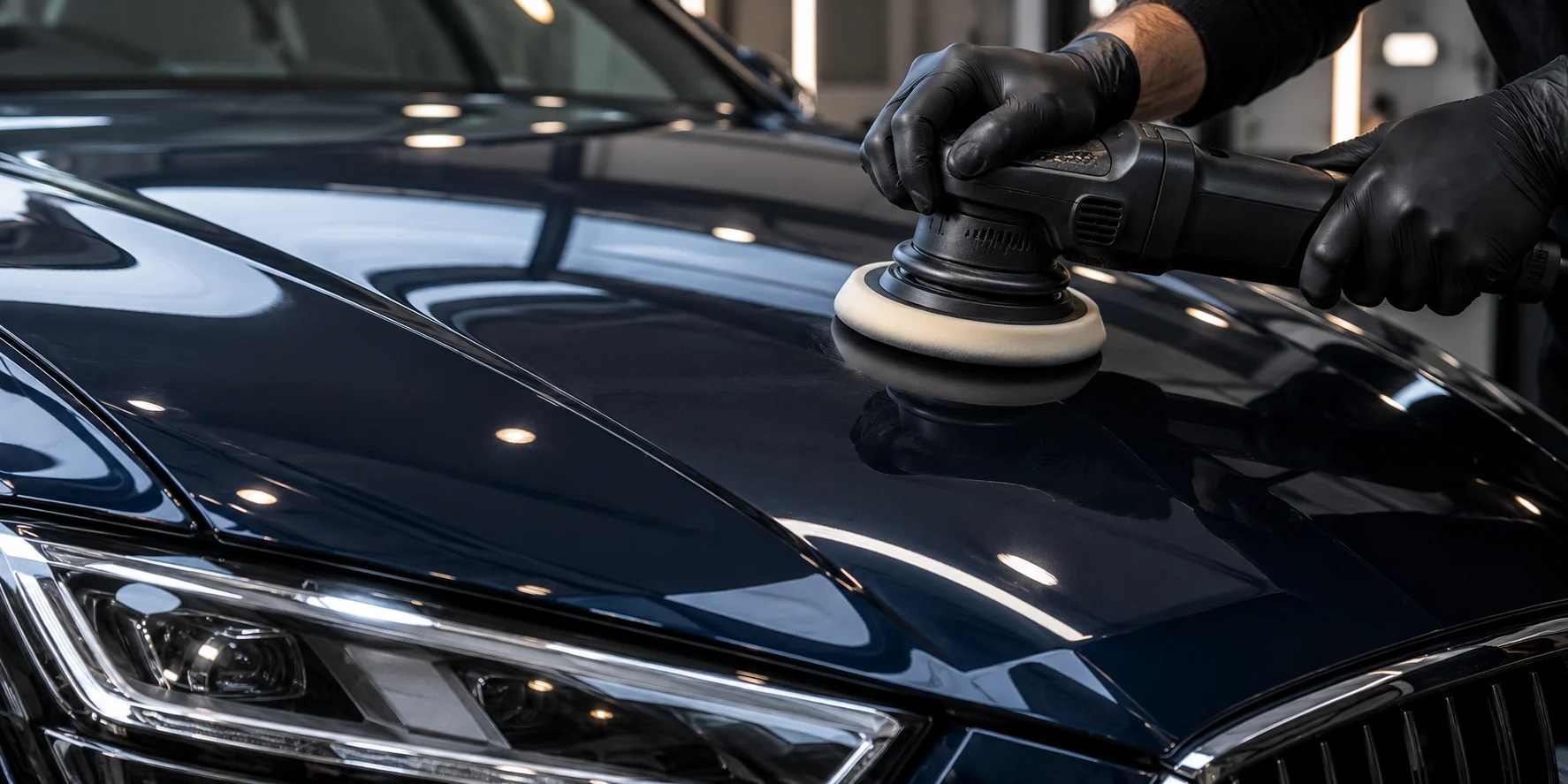
Ask what a suitable test area or assessment would show and which defects are likely to remain. Consider the vehicle’s history, including repairs and previous polishing. Protection can be discussed after the appearance decision. It should not be used to conceal uncertainty about whether the proposed refinement is appropriate.
Spend on a result you can maintain
Consider washing habits and future use when deciding how far to go. A balanced refinement with sensible aftercare may fit your goals better than an expensive attempt to perfect a heavily used vehicle. Ask for a clear scope and a separate description of optional protection. Budget choices should change the agreed work, not create unsupported promises about the outcome.
A few things to know.
Is the most expensive correction always right?
No. Suitability and your desired result matter more than package rank.
Can some defects remain by design?
Yes. Agree on realistic improvement and preservation priorities.
Does coating replace the correction decision?
No. Appearance preparation and protection are separate considerations.
This guide is educational. It is not a vehicle inspection, a manufacturer endorsement, or a promise that a particular service is suitable. See how we prepare our care guides.