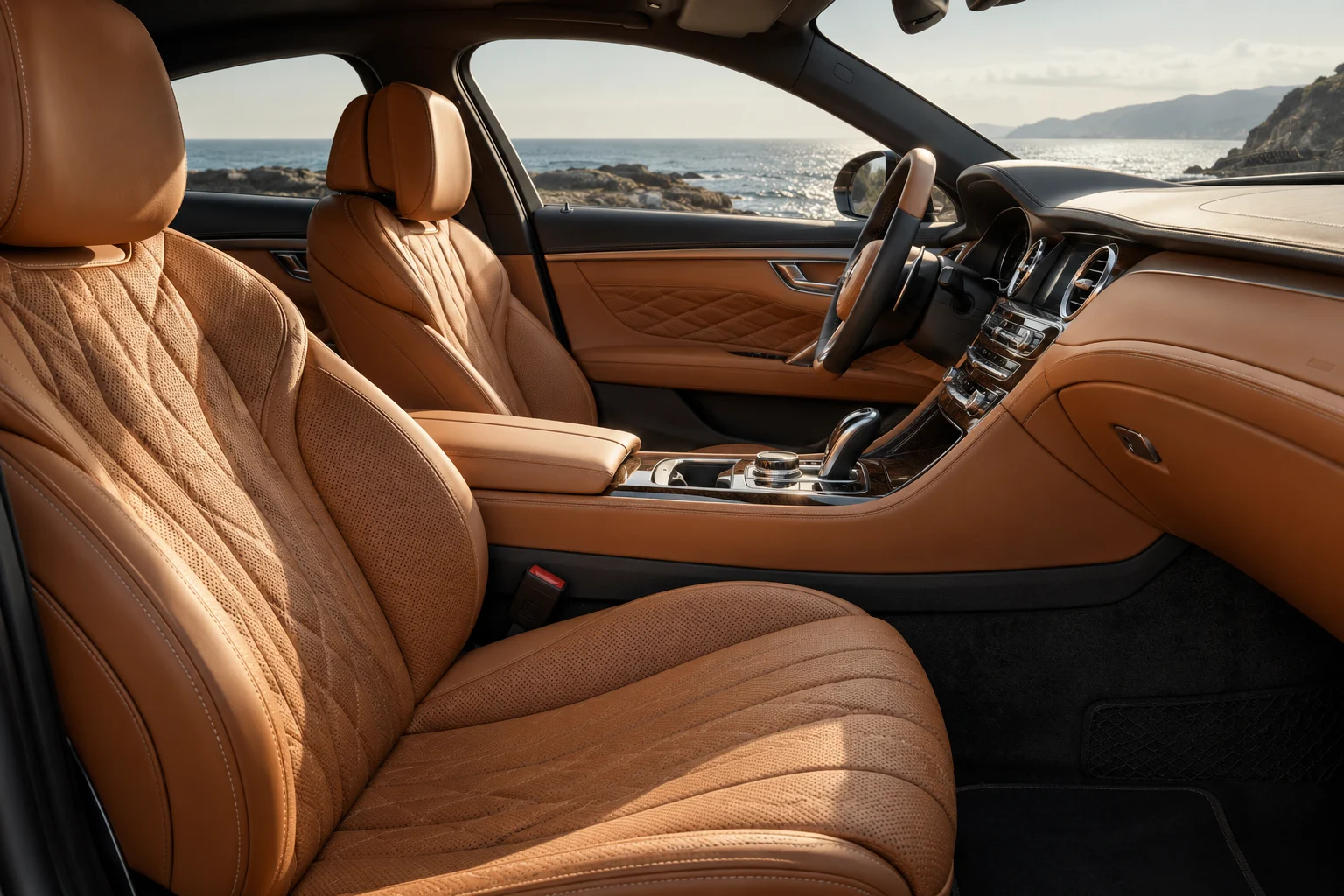
Divide the cabin into seating, footwells, cargo space, and touchpoints. Identify the material and main concern in each zone. This helps separate loose debris, staining, and physical wear, and makes a quote more useful than describing the whole SUV as needing a deep clean.
Start with how the rows are used
A third row that rarely carries passengers may need a different scope from a second row used daily. Note where snacks, sand, pets, and equipment are usually carried. Remove ordinary belongings so the condition is visible. Do not assume that every stain or worn patch has the same cause or can be addressed by the same process.
Record the difficult areas accurately
Tell the provider about marks around seat seams, carpet edges, cupholders, and the cargo loading area. Mention previous cleaners or fragrances. Identify any installed child seats or accessories that affect access, and arrange their handling according to their own instructions. A clear brief reduces the chance that an important area is inaccessible when work begins.
Agree on priorities and realistic limits
Rank the areas that matter most if time or budget requires a focused appointment. Ask what will be cleaned and what may remain because it is wear, damage, or an uncertain material. Request aftercare advice that fits regular family use. A practical result is a cabin you can maintain, not a promise that daily use will leave no future marks.
A few things to know.
Do all seating rows cost or take the same effort?
Not necessarily. Condition, access, and scope affect the quotation.
Should I remove belongings first?
Yes. Clear ordinary personal items so the surfaces can be assessed and accessed.
Can cleaning reverse worn upholstery?
Not necessarily; wear and removable contamination are different.
This guide is educational. It is not a vehicle inspection, a manufacturer endorsement, or a promise that a particular service is suitable. See how we prepare our care guides.
